

Practical strategies for leading meetings that improve decision-making, strengthen team participation, and drive better project outcomes. The conversation explores tools like the POPRA model, techniques for managing conflict and encouraging diverse perspectives, and how humble, curious leadership can create healthier and more productive team dynamics.
Chapters
00:00 … Intro
02:42 … Evan’s Journey
04:30 … Leading a High-Stakes Meeting
06:17 … Bad Facilitation Habits
09:08 … Bad Meetings Lead to Bad Decisions
10:26 … The POPRA Model
12:05 … Communicate with Decision-Makers
13:31 … A Decision-Ready Agenda
15:45 … A Decision Not Made is a Decision
17:01 … Minority Opinion
18:47 … In-Person vs. Virtual Decision-Making
21:49 … Boost Online Participation
25:26 … Face to Face Framing
28:11 … InSite
28:56 … Stakeholder Agreements
30:37 … AREA
32:12 … Bigger Purpose Reminders
33:44 … Closing a Meeting
35:31 … Plan the Next Steps
37:15 … Getting Honest Feedback
38:40 … Building Trust
40:56 … The Continuum of Leadership
42:30 … Find Out More
44:10 … Closing
Intro
EVAN UNGER: if I am the project manager, running meetings with no point, no purpose, wasting people’s time, it’s going to lead to people seeing me as a bad leader because that’s where my leadership manifests. That’s where I take time. And people, they don’t hate meetings. What they hate is wasting time. practical strategies for leading meetings that improve decision-making, strengthen team participation, and drive better project outcomes. The conversation explores tools like the POPRA model, techniques for managing conflict and encouraging diverse perspectives, and how humble, curious leadership can create healthier and more productive team dynamics.
WENDY GROUNDS: Welcome to Manage This, the podcast by project managers for project managers, and we’re so glad you’re with us. I am Wendy Grounds, and in the studio with me is Bill Yates. If you haven’t yet, please leave us a quick review on Apple Podcasts or Google Play or anywhere that you listen to podcasts. We would love to hear from you.
Project Managers I have a message for you. If you’re committed to growing as a project manager, and you’re not just checking a box for PMP® renewal, then our PDU Passport is for you. You’ll get access to 60 plus on demand courses worth over 200 PDUs, so you can build the exact skills that you need, in the areas that matter most to you.
It’s not just about maintaining your certification; it’s about investing in you and your career. The PDU Passport brings you real-world training from 22 real-world experts. Turn your renewal requirement into a career upgrade. Head to velociteach.com to get started.
One more bonus, you can earn free PMI PDUs just by listening to this episode. Stick around until the end, and we’ll tell you exactly how to claim them.
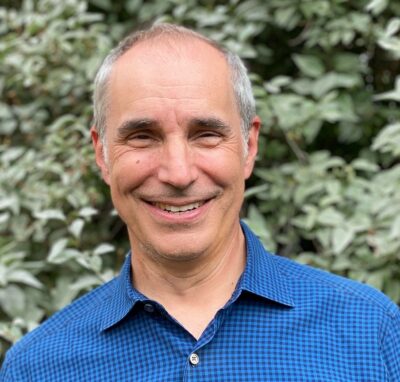
So, our guest today is Evan Unger. He is a managing partner at Schwartz & Associates, a boutique firm that helps leaders build collaboration skills to improve team, meeting, and culture performance. With more than 30 years of experience, including senior leadership roles at Merck and Centura Health, Evan has guided organizations of all sizes across the U.S. and around the world through meaningful change.
BILL YATES: We are going to talk with Evan about a reality for every project manager, meetings, and decision-making. So, in this episode, we’re going to talk about how project leaders can transform their meetings, whether they’re virtual or in person, to boost group decision-making, to build buy-in, and to get results.
We’ll talk about everything from designing agendas that actually work, to facilitating high-stakes discussions, where maybe people have different opinions, to giving and receiving in-depth feedback. Evan’s going to give us practical tips, ways to remember them, fresh perspectives, and the confidence to lead our teams toward better decisions and higher performance.
WENDY GROUNDS: Hi, Evan. Welcome to Manage This. Thank you for being our guest today.
EVAN UNGER: Thank you for having me, Bill and Wendy.
Evan’s Journey
WENDY GROUNDS: One of the things we need to do is first find out a little bit about you, if you can give me an idea of your background and the journey that shaped you as a leader.
EVAN UNGER: Yeah. I go back a little ways. I don’t know if we’re contemporaries, but I got out of business school in 1989, went and worked for Merck. Big pharma. And they had a rotational assignment for MBAs, and they put me through different assignments like what I was doing. Then they just made up this job, literally made it up, called the Director of Change, Leadership, and Development. Honestly, it was a fancy title for I had no idea what I was doing. I’m, like, three years out of business school. A new CEO comes onboard, does his assessment, and it’s bureaucratic, siloed.
Now, Merck was America’s most admired company five years in a row at that time, but it was real, when you’re on the inside, siloed and bureaucratic. Somehow it rolls down to me on this major re-engineering project to get people collaborating. Fix this. And I’m like, fix this? I don’t know how to fix anything. I just got out of business school. What are you talking about? So, I did when any young enterprising person did, I hired an outside consultant. That’s who I work for now. Schwartz & Associates were this tiny Denver-based consulting firm. What we’ve done for 33 years is support small to medium-sized organizations and parts of bigger organizations in cultural transformation. Now, very practically, what does that mean we do?
For 33 years, we’ve facilitated a lot of complex collaborative workshop-type meetings, retreats, strategic planning, process redesign, major decision-making meetings. And then as part of the change interventions, we would always train the change agents, project managers, people doing lean continuous improvement, Six Sigma, Agile, this art of leadership, which got developed back when I was challenged to do this by the CEO in, that would have been ‘93, I believe. So that’s how I got here. So, thank you for having me.
Leading a High-Stakes Meeting
WENDY GROUNDS: Yeah. What are your top things that a project manager should do to design and lead a high-stakes decision-making meeting?
EVAN UNGER: When we train people, there’s five core things. And we may get to these as we go through, and we’d love to start with the first one. And then maybe we’ll get into the second, third, fourth, and fifth as we go. The metaphor we might use for leading a project, a task force, a continuous improvement engagement, a consulting engagement, right, is the metaphor of a plane flight. I’m in Denver. You’re down near Atlanta; right? So, and you used to be in Cape Town; right, Wendy? Where at some point; right?
WENDY GROUNDS: Yes.
EVAN UNGER: So that’s a long flight down there.
WENDY GROUNDS: A long one.
EVAN UNGER: So, if we think about that metaphor, there’s three parts to a project: meeting, workshop, task force, takeoff, which doesn’t take a lot of time. Right? When I was out at DIA, the airport here, I time it every time. It took 32 seconds from the time they hit the jets to wheels up. If it doesn’t go well, we’re dead, metaphorically, all of us. It’s over. It’s the same thing on our projects; right? If we don’t take off well, we’re about to have a plane crash, both in terms of the caliber of the decisions that we make and also our reputation as a leader.
Now, the second part of the flight, and what takes the most time is getting from Denver to, you know, Atlanta airspace. That’s where we spend the time. That’s executing the project, executing the work; right? And when the plane gets in the air, if we’ve framed it well and taken off well, we have a better chance of having a successful flight.
The other place we get plane crashes is on landing. So, the first thing, coming back to your question, that I would caution project managers, don’t take off, don’t have a meeting, if you’re not crystal clear why you’re having the meeting and what you’re trying to get done. Most meetings should never be allowed out of the hangar on the tarmac.
Bad Facilitation Habits
BILL YATES: That’s a great metaphor. And we’re going to come back to that for sure. That’s good. One of the questions we wanted to ask you about, because of all the experience that you’ve had, if you were talking to a project manager one-on-one right now and giving them some coaching, what facilitation habit would you tell them to stop immediately?
EVAN UNGER: Yeah. At least to some degree, and now I’m going to give them a tip in addition to a habit. The first thing to stop doing is holding meetings where there’s no purpose and objective. There are so many meetings in an organization. I’ve asked clients two questions for 33 years. The first one’s depending on the scale of the organization. How many meetings are going to take place in your organization?
I worked for Merck. There’s 75,000 people. So, the answer to the question of how many meetings are going to take place is based on scale. You think about Merck, 75,000 people, there might be 200,000 meetings in a single day, especially when you think about the one-on-ones.
The question that’s important, what’s the percent effectiveness of the meetings you run? And I’ve asked that question, I don’t know, 6,000 times in 33 years? Almost always, I get a number below 50%. And I sit here with clients and say, let’s do a little math together. Because, you know, the more senior people are, the more time, sadly, they have to spend in meetings. That’s where major decisions are being made.
And how organizations tolerate having all these awful meetings over and over, it’s just something that blows my mind, literally. Because people never do the math. If you spend 50% of your time in meetings, you’re literally going to spend a year’s worth of your life in meetings in under nine years. This is the fundamental productivity issue. So, your project managers, coming back to the question, stop having meetings when there’s no purpose and objective. That is the first habit we have to learn.
BILL YATES: Yeah. When I’m doing some training with project managers, I love to drive home this point. I am completely with you. For me, I think of most of the projects I did in software consulting with utilities, we were billable. So, we’d charge them for the software. We’d charge them a license fee. And then we had billable hours as we’d do the implementation, the training and all that, all the conversion.
And man, I would just think of, okay, we’re billing our client for our time. If I’m pulling too many people or not the right people into a meeting, just from my side, I know how much that’s going to cost the client. Plus, on the client side, if I’m bringing some of them into the meeting, some stakeholders that just don’t really need to be there or only need to be there for a short portion of it, man, I’m doing them a disservice.
So yeah, make sure there is a purpose, a reason for the meeting, and then bring the right people into it.
EVAN UNGER: If you could charge all your billable hours to the client, wonderful. I basically had to eat a lot of those hours. As we know, in a high-stakes two-day retreat, a lot of the work is not billable. There’s so much change-agent work, stakeholder alignment work. But this really is the fundamental productivity issue organizations face. They don’t address it. They really don’t.
Bad Meetings Lead to Bad Decisions
Now, I assume maybe you’ve read Patrick Lencioni’s “The Five Dysfunctions of Teams.” We followed him in. He’s working at a level above us with the C team sometime. And we’re doing some more pragmatic things with his clients once in a while.
His first book, “Death by Meeting,” not sure it’s worth reading, but there is a great quote in there. The quote is something like this: “The hard truth is that when we run bad meetings, it will lead to bad decisions, which is a recipe for mediocrity, performance mediocrity, productivity loss.”
Frankly, it’s the recipe for morale cratering in organizations, because if I’m being asked as a person and an employee and an organization to go to all these meetings, I don’t have time to get the real work done. And so, the other thing it’s leading to, if I am the project manager, running meetings with no point, no purpose, wasting people’s time, it’s going to lead to people seeing me as a bad leader because that’s where my leadership manifests. That’s where I take time.
And people, they don’t hate meetings. What they hate is wasting time. And so many meetings are a complete waste of time. And as a consultant, we would always work with the C team to figure out which bureaucratic meetings can we get rid of, because meetings are central to the health of the organizations, where the values form; right? So, it really is essential. There’s just so many of them that have no point.
The POPRA Model
WENDY GROUNDS: So, looking at your metaphor with the take-off and the flying and the landing, in the meeting when breakdown happens, where is it where that usually occurs? Is it in the design? Is it in the facilitation? Or is it in the follow-up in the landing of the plane?
EVAN UNGER: I would say it’s in all those places, right? Let’s take them one at a time. The breakdown usually starts before we ever get there. We teach a model called the POPRA model. And it’s an acronym.
The first P stands for the purpose of the meeting. The second, O stands for the objectives of the meeting, which are the goals or deliverables or outcomes. The second P is the process, which is the agenda and all the details for how we’re going to get a group to make the decision. The R stands for the roles, which is one of the most important roles, who’s deciding. And then what’s my role as the project manager leading the group? What’s the SME’s role? What’s the vendor’s roles there? Then the last thing is the A for the agreements. How do we need to interact from just a human standpoint to be effective and achieve the objective?
So, this POPRA model, if you just make sure you don’t calendar meetings if you can’t answer first for yourself, why are we here? What are we doing? Right? The P and the O. How are we going to do this? I’ve designed the agenda. The roles, who should be there and who shouldn’t be there? And think about the agreements you need, in particular the agreement of who’s ultimately deciding, if we can’t reach consensus, you shouldn’t have the meeting.
So, I’d say the breakdown starts before we ever got to the meeting. And then we don’t have our POPRA clear, we’re going to waste people’s time. So that’s one breakdown.
Communicate with Decision-Makers
BILL YATES: POPRA, that’s a terrific way to remember. And I’ve got to make sure that I’ve checked everything, that I’m fully prepared for it, and I’ve prepared people in advance for it so the people that are decision-makers know that they’re decision-makers. You reach that point in the meeting, and then you turn and you look at Lisa; and Lisa’s looking at you like, what? “Oh, my bad, I should have told you, Lisa, this is really your decision.”
EVAN UNGER: It’s like all of a sudden, I mean, we know, and you’ve been consultants for years, there’s a lot of leaders who don’t want to make decisions.
BILL YATES: Right.
EVAN UNGER: Because they have to commit.
BILL YATES: Yep.
EVAN UNGER: Right? And so, we have to make choices. So, you definitely, from a change-agent standpoint, have to meet with the ultimate decision-maker ahead of time and get aligned around the POPRA from their perspective. But this is just good consulting. It’s like, all right, why are we having this meeting? What has to get done in the meeting?
I’ll go off and design the agenda or the process; right? That’s my job as the project manager or consultant. What’s your role at the meeting? What’s my role at the meeting? Which decisions do you want to make sure you have complete ownership of and are just getting input from the group? Which decisions do you really want more consensus from?
And then I need the agreement as, look, I’m going to turn to you at some point in the meeting. And if there’s turbulence and spin, and we’re not making the decision, I’m going to look to you. What do you want to do, Lisa, if that’s her name? But I can’t surprise Lisa at the meeting. The work of a high-stakes meeting is before you ever get there. The meeting is running the X’s and O’s.
A Decision-Ready Agenda
BILL YATES: What does a truly decision-ready agenda look like? So how do you clearly define the decision so the meeting doesn’t end with some great discussion, but nobody’s actually come to a conclusion or reached an outcome.
EVAN UNGER: Well, the decision-making in the POPRA model shows up everywhere. At the wide purpose level, the context, there are decisions that were made ahead of time that maybe Lisa, if she were the sponsor, so to speak, took off the table or made for the group. So, when I contextualize the purpose, you know, let’s say – now, let’s just say we have a task force who’s been formed, and my job is to get this morale task force to figure out how to improve morale.
Now, Lisa may have said, this is out of the scope of the domain of the project, right, the task force. When I set the context, I’ve got to let the group know, these things you are going to get to have input on, and these are decided for us. Because we never want to pretend we’re facilitating a group when a decision’s been made upstairs. People know, they’re smart, they’re like, just tell us the decision.
Now, I would offer our objective in a decision-ready meeting is always to reach consensus. But we want consensus as a leader as long as it means we’re not watering down the caliber of the decision to accommodate a dominant person’s opinion. So, it shows up at the objective level.
Good process structure, is having enough tools, techniques to hold space so everyone weighs in, not just the senior people, right, not just the extroverts, not just the middle-aged white guy like me who likes to impose his will on the group. I need to know how to hold space for the introverts, the junior people, the people of color, right, all diversity of the group. Now, of course, decision-making is a role. Lisa needs to be clear. You’re going to be the ultimate decision-maker if the group can’t reach consensus, because they may not. Right? We may not have time.
And then it also shows up as a working agreement. And I have to have the group clear. If we can’t reach consensus, Lisa’s going to decide. So, a decision-ready meeting is really having thought through all the places where decision-making shows up and that every piece of POPRA is about framing decisions. My job in take-off is I’ve got to get the group clear how we’re structuring the decision-making of the meeting.
A Decision Not Made is a Decision
WENDY GROUNDS: Yeah, I’ve definitely been in meetings where it was a decision-making meeting, and we all walk out thinking, well, nobody made a decision. We’re none the wiser.
EVAN UNGER: Well, which is a decision; right? A decision where we didn’t make the decision. Which means now we have more rework, more wasted time. And so, people always say, “Well, do you need consensus?” And I say, “Maybe. It’d be great to have it, but you better be planning for what are you going to do if we can’t reach consensus.”
That’s why it’s so important to have Lisa decision-ready because some leaders, they want everyone onboard, and we can be way too consensus-oriented at times. And this is a fast world where not making a decision has implications. So, part of your job as the project manager is to help the leader make the best possible decision; right? And try to get maximum buy-in.
If I can get a group of 12, 10 people to be onboard and two not be onboard, at least we’ve made the decision. But I’d rather make the decision, have 10 out of the 12 onboard, maybe we didn’t have full consensus, than let the two keep the group from making the decision, because that’s where we get all these bottlenecks and productivity loss as we’re trying to run a project, which often is a series of meetings over time with the same people meeting regularly.
Minority Opinion
BILL YATES: Yeah. Let’s say I come out of a meeting like that where I have two people that their voice was heard, but we made a decision to go a different route. I may want to follow up with them, either the two of them together or one-on-one afterwards and just affirm, man, it was so important for us to hear your voice. We’ve added things to the risk register now because of things that you brought up in our meeting, or we’ve added another sub-requirement because of what you brought up. You raised a great point.
Yeah, we went the other route in terms of the decision that we made. But this is going to help us down the road. Please keep bringing your voice to these meetings. I don’t want them to get discouraged or shut down.
EVAN UNGER: Oh, no. And my job as a good collaborative leader, as a good project manager, is to support minority opinion. We have to watch the tyranny of the majority. It can often be that most junior person who’s closest to the work. They may be introverted. They may be speaking English as a second or third language who has exactly the expertise to help Lisa as the senior person make the right decision.
My job as the project manager is to make sure that conversation happens; right? Now, that junior person may not get their way, and they may well change the majority opinion. And so, you know, Patrick Lencioni says, another great quote is, “People are not going to buy in if they don’t weigh in.”
So, it’s my job to figure out structures and processes so people can weigh in, independent of whether they’re speaking English as their primary tongue, or whether they’re an extrovert, or whether they’re, you know, a senior person. Because my job is to help Lisa, if we will, make the best decision. And she can’t make the best decision if I haven’t had the group put everything out there, the ugly stuff, the good stuff, so she can make that decision.
BILL YATES: That’s right.
In-Person vs. Virtual Decision-Making
WENDY GROUNDS: Have you seen a shift basically from virtual meetings to in-person meetings? Does that change the way decisions get made?
EVAN UNGER: It’s interesting. It both does and it doesn’t. Now, as I said, I’ve been doing this for 33 years, for decades; right? When we first designed this style of leadership, collaborative leadership, and started training people when I was at Merck, this is ‘93. I don’t have email yet till ‘94; okay? So, I mean, the Squawk Box was, you know, the main technology, the fax machine; right? You probably remember, yeah, the most important communication structure in an organization was the mailroom because they’d come around and collect those little manila envelopes, and you’d have wound that thing. I go way back, so we’re coming into a whole new arena around decision‑making.
So, we used to train people how to run high-stakes workshop complex meetings sitting in a room together. Now, for decades, that’s all we did; right? Because back then, there was no Zoom. There was no Microsoft Teams. I mean, there was nothing; right? Technology came along. Early on, I think it was Skype, WebEx, Live Meeting, GoTo Meeting, that started offering the clients, there’s ways you can meet without bringing people together, which is a massive cost saving.
Now, there’s a productivity issue, but yeah, there’s a lot of cost saving, especially on global teams. And clients along the way started saying, Evan, could you teach us this style of leadership sitting on screens like we’re on right now? And in all honesty, I resisted it. Even though I was doing change, I’m a human being. I was like, well, why? I don’t want to sit here on screens and train people how to do that. So, for a long time, I resisted it.
Pandemic hits, whole world change; right? Because, you know, we’re still having a lot of hybrid meetings where we had the people in the U.S. in the room, and then we had people from all over the world dialing in, it was WebEx a lot early on. But the pandemic changed the dynamics of everything. And now most of the people we train are running hybrid or virtual meetings on Microsoft Teams in big companies.
So, the decision-making dynamics have not changed. The platforms, though, are. There are so many things lost in a world where we’re sitting on screens; right? Just the basics of observing, you know, things like if someone’s knee is bouncing, and they’re nervous, you can’t see that right now. We’ve lost so many things.
I have to be so much more explicit in structuring a decision-making meeting virtually because nothing replaces a face-to-face meeting, but we’re just not going to have many of them anymore. We’re going to have these hybrid meetings. I’m sure during lockdown, you started going remote. And I imagine you’re going back to trying to get more face-to-face meetings because they’re richer. They’re – in many ways there’s some outcomes like team building that take place just by being together.
So, to your question, have the dynamics of decision-making changed? No. The platforms, though, allow us to do some things well, which is not have to fly into places. Other things it’s so hard to read what’s happening with the individual in the group when I’m on a screen.
Boost Online Participation
BILL YATES: Mm-hmm. That’s so true. So, we want to dig a little bit deeper on that topic since we’re talking about virtual meetings. And it’s just the reality for most of our listeners now that that’s a part of their day to day. So, I’m leading virtual teams, and I’m getting a little frustrated, give us one change that would boost participation.
EVAN UNGER: Oh, I – this tip is so obvious. People just don’t do it. Imagine you’ve heard from agile the term “HIPPO decision-making,” where the HIPPO is the highest paid person’s opinion. It’s the senior vice president, thinks he’s the smartest person on the call, scares everyone. No one says a word. So, here’s something you can only do virtually because we have the chat feature. Here’s the tip. Stop letting people always use the chat the way they would if we were in the room where the people who are energetic type within the chat; everyone else doesn’t. We teach people to use a simultaneous chat.
Here’s what that means. You pose the question. Right? Let’s just make up a question. What do you think the major bottlenecks are in this process? You get them clear what you’re doing. And then you tell them, what’s your answer? And there’s a full sentence, but you’re not allowed to hit Enter. You have to hold them. And then the other tip, use a lot of hand-raised reaction emoji. And we say, all right, you’re not allowed to hit Enter till every hand-raised reaction emoji’s up. Now, that creates a couple dynamics. One, it holds space for all styles. Two, the hand-raised reaction emoji starts queuing the people less likely to talk. You’ve got to put something in the chat; okay?
And so, I’ll wait. All right. Now, someone’s always going to submit it early. That’s fine. I’ll wait and say, all right, all the hands are up. Now, I’m going to put a little banner in here. And the banners in the chat going to say something like what are the bottlenecks and condition them, Pavlovian. As soon as you see that banner, hit Enter. All of a sudden, you start seeing everyone talking. It’ll also let you know who didn’t submit.
But then it gives you the space as the project manager to call on people who would never talk and say, tell me a little more about that. And it’s such a simple tool that can completely change the dynamic of only hearing from the HIPPOs, the senior people, and just go make your chat simultaneous. Stop doing them freeform where the same people who would talk in a room are the same people who use the chat.
BILL YATES: That’s a great idea. And it’s funny, too. We talk about a Delphi technique. How do you get subject matter experts to give their opinion without influencing each other? This is a great way to do it. You hold. You don’t submit yet. Now you do. Okay, now we were all showing our opinion, and we can start to connect the dots. So, okay, it looks like Teresa and Jose, you guys talked about the same constraint concerning you. Talk more about that because you’re coming from one angle, you’re coming from a different department, but you both identified this. There’s so much in that. That’s great.
EVAN UNGER: It’s so simple, and it manages another tyranny of the decision-making meeting, which is the tyranny of the HIPPO. Okay, everyone’s watching. What’s the senior person going to say? I don’t want to look stupid. When you slow it down, and people, I’ve got to say something in the chat, you’ve given me a minute to type something. But what you’re helping the HIPPO do is stopping the first person in who’s suppressing conversation. Just we know political hierarchy and authority, the senior people just by the nature of rank and hierarchy. People are going to be hesitant to talk.
So, again, if I’m the project manager, I’ve got to have some simple things to hold space to get those minority opinions in the conversation. Because those junior people, or those two people out of 12, may totally change the quality of the decision. But if they never talked, they never weighed in, I let the group make a bad decision or suboptimal decision. I’m not going to get their buy-in. They’re not going to buy in.
Face to Face Framing
BILL YATES: Evan, if we’re doing this face to face, we can still do the same thing, just with slips of paper. Nobody says anything. I’m going to give you a minute. You write on this slip of paper. Then we’re going to show our cards. So, then everybody has a voice.
EVAN UNGER: Yeah, so same thing. It’s just slowing things down and giving people – first of all we’ve got to get them clear what we want them to do. Like if we want solutions from a group, people are horrible at getting things smart. Right? Because we don’t take our time and go slow and say, let’s get clear what we mean how specific a solution should be. Let’s get a couple examples and calibrate it. Are we clear?
Now, we could do it on Post-it notes. We could just do it on scratch paper. But nominal group techniques just means the same thing you’re doing in the simultaneous chat. Get them clear what you want. Give them time to process and think and be structured in the round robin. And make sure everyone puts their sticky notes, if you will, on the wall.
But most of the time, people do a horrible job framing what they want. And we have two or three words on the sticky notes. Leadership. Communication. Right? It means nothing. It has to be specific. You know, when I’m doing root cause analysis, saying leadership is the root cause is meaningless. Saying leadership is not prioritizing the portfolio projects, leading to too much work for not enough people, that’s specific. I could address that. What the heck you mean by leadership I have no idea.
And that’s where this simultaneous chat or nominal group technique is just like in meeting. Before I let someone execute the meeting, I have to get them clear on the POPRA. Before I let them execute a process step, there is a mini POPRA. Why are we talking about this? The context around it. What are we trying to get done? And then the simultaneous chat or nominal group technique is a process for how I execute that mini POPRA.
And there’s mini agreements. Right? Example, in simultaneous chat, the mini agreement is you’ve got to wait, and we’re not submitting to all the hand-raised reactions. So POPRA applies all over the place at the meeting level, the process step level.
And some of your listeners are thinking, oh, it applies to my projects. When I charter a project, that’s what I’m doing. I’m building the POPRA for the project. What’s in scope of the project? What’s our vision? What ultimately is our mission? The objectives for the project, right, are the project deliverables. What are we trying to get done? The processes of the project plan.
I have roles. What’s my role as the project manager? What’s the team member’s role? What’s the vendor’s? And I have operating agreements. How often we meet. Who gets to go to the meetings? Are they empowered to send substitutes who will make decisions? All that stuff. POPRA applies everywhere. And if I just don’t execute things without being clear on those five questions, I’m going to be a much better project manager.
InSite
JESS CLEVENGER: Velociteach is a team of leaders, project managers, and hard-working professionals who are here to help you grow, learn, and succeed. Our e-learning platform, called Insite, is where you can prepare for your PMP certification, or get better at your job by choosing from over 70 high-quality and engaging, online courses.
These courses cover a variety of topics such as project planning, agile, risk, business analysis, and more. Each course aligns with the PMI Talent Triangle, making earning and reporting PDUs easier than ever. We designed InSite for project managers who prefer a flexible and convenient method of learning from industry experts. Visit us at velociteach.com today to get started.
Stakeholder Agreements
WENDY GROUNDS: So sometimes those meetings are not just amongst the team, but it’s the stakeholders that are in the room. And as the project manager, you’re sitting there taking care of this that’s going on. And the stakeholders might have strong disagreements between each other. What do you do when things start flying?
EVAN UNGER: So, let me come back to the five core things; right? The first one was POPRA and take-off. The second one was how do you handle challenging people? Unfortunately, people show up at our meetings, and we’re all dysfunctional human beings; right? There’s egos, there’s politics; right? And there’s political misalignment. And if I’m a project manager, it’s likely I’m facilitating people maybe two, three levels above me in the organization.
So, if I don’t have the POPRA contracted for, I can’t handle them; right? Because there’s so much fuzziness, I don’t even have something to come back to contract with. And in some ways, I have to think about my role as the project manager. I am the most important person on that meeting because it’s my job to help navigate the conflict between the different HIPPOs to make sure we make the decision.
But what people often don’t understand is you can be a great leader and know nothing about the content of what’s being discussed by those people. But it does take a tremendous amount of skill to know how to engage them. Now, often what happens is, because I’m not clear my role is to facilitate the conversation, rather than necessarily provide all the expertise to fix the situation, I get trapped by senior people. I get pushback. And people get in the trap of answering things they should be letting the group answer. We teach another one of the five core things, simple models, another acronym, it’s called the AREA model.
AREA
When I get pushback in conflict, the first thing I have to do is acknowledge a person’s right to a point of view, validate them. I can’t make people wrong. Now, if I’ve done a good job getting the purpose and objectives clear, the first tether I have with conflict is let’s just come back for a moment and make sure we’re clear why we’re here and what we’re doing. And reset what we’re doing because there’s a lot of things, there’s a lot of conflicts. We just go into something that has nothing to do with what we were supposed to do. So, I have to always bring things back to the purpose and objective.
Now, the trap we want to get out of is answering things that the group should answer for themselves. Because if I’m dealing with a challenging HIPPO, and I’m facilitating a bunch of HIPPOs, if you will, people more senior than me, bring in the other HIPPO. See, so the first thing is in the AREA models, acknowledge. The second thing is reframe back to the purpose and objectives, and then the E is engage the group. Let the other HIPPOs come in; all right? And then they can tell the more disruptive HIPPO, you’ve got to back off. This is not it.
And then the last A in the AREA model, A-R-E-A, is re-acknowledge the person who is being disruptive, thank you. There are a lot of different ways. Given why we’re here and what we’re doing, given what you’re hearing from your colleagues, would you be willing to at least stay open at this point, listen to others, and give it a try?
So, it’s really understanding. My role as a project manager is to not fix everything for the team. I’ve got the experts there. I’ve got to get them to work it out for themselves. And conflict is hard. But this AREA model and learning what it means to facilitate is really never trained to people. Everyone’s trained to present, but they’re not trained how to facilitate.
Bigger Purpose Reminders
BILL YATES: Right. I really like the emphasis on reminding people of why we’re here. Let’s remember, you know, where are we? What is the key decision that we need to support today? As a leader, helping people when tempers or blood pressure seems to be going high, knowing when to kind of call a timeout and go, “Hey, let’s refocus. Why are we here? What’s our bigger purpose?” That’s good.
EVAN UNGER: Yeah, usually when we get turbulence, people are in conflict. They’re spinning. It’s not that people are bad people. It’s often they’re confused. And it’s my job, usually what we tell people, when you’re seeing a lot of disruption in meeting, don’t keep flying the plane. Don’t try to keep doing what you’re doing and running. You’ve got to back up, reset, acknowledge people, even if they’re dead wrong. And we know people say things that are dead wrong, so you’re not acknowledging that they have the right point of view. People are going to say things that are ridiculous. What you’re acknowledging is they have a right to a point of view.
And then what you’re trying to do is in the context of why you’re doing things, what you’re doing, is bring in other voices to make sure we’ve heard everything so that really difficult person at least has been boxed in to a degree so that we have everything in the conversation; right? But it is hard to manage dysfunctional people, and there are plenty of dysfunctional people. Unfortunately, people show up at our meetings. I mean, it’s just unfortunate. It’d be so much easier if I was a project manager if I could make all the decisions and never have to socialize it through anyone else.
BILL YATES: You’ve got a lot of listeners going, “Oh, man, you’re not kidding. So true.”
Closing a Meeting
WENDY GROUNDS: How do you close your meetings? Talk about landing the plane. You want to have clear ownership of the tasks. People have accountability. There’s going to be follow-through. What’s your best advice on how to land that plane?
EVAN UNGER: So, there’s another trap we get into; right? Let’s stay with the plane metaphor. First of all, we’re not realistic about time. We jam-pack way too many things on the agenda. Many of them could have been handled as emails or, you know, reports and things like that. So, the trap we get into is we don’t manage time well.
Let’s say we have seven agenda items. And we’ve all been there. Agenda item one goes six minutes late. Agenda item two goes five minutes late. Agenda item three is four minutes late. Next thing you know, I don’t have time for agenda items six and seven. The trap people get into is they feel like, “Wait a minute. We didn’t get through agenda item six and seven. Let’s keep talking faster to try to get through it.” And they don’t leave time to land.
Now, the metaphor of the plane, right, if we’re running out of fuel, and time in a meeting is fuel, and it’s not infinite, if we’re running out of fuel on a plane, we don’t go knock on the cabin door or the cockpit door and say, “All right, fly faster.” We’re going to die; right? We say, “Find a field to land in, and land now.” It’s the same principle. Yeah, you didn’t get through agenda items six and seven. That’s the real world.
Leave time to land. It takes time to land. And it’s, again, all this is so obvious. You have objectives, purpose and objectives. So, the first thing you do is let’s close out the purpose and objectives. What did we get done? What didn’t we get done? Which then sets up the context for the next steps we’re going to need to take for this meeting.
Now, we use parking lots, right, where we’re triaging things. I can’t just keep throwing things. I’ve got to come back to it and say, “All right, we didn’t deal with it in this meeting. What’s our next steps around this?” So, I got to close out the parking lot, and I got to close out what we didn’t and didn’t get done relative to the objectives of the meeting.
Plan The Next Steps
Then the most important thing – and a lot of my clients, I’m sure yours are using Copilot; right? I mean, you go back far enough where you used to have an administrative assistant sitting in there taking notes; right? And some clients don’t let people yet use Copilot, but you still have to check what the heck Copilot has put down as next step. So, you’ve got to leave time to get the group crystal clear. What are we doing? Who’s going to do it? And what’s the time frame?
The trap we get into is because we keep flying the plane and no one’s clear where we go from here, I get left holding the bat as the project manager because I didn’t create accountability structure. And then I have nothing to hold people accountable between meetings. It’s like, “Hey, Jane, where are you at on this?” Because I kept flying the plane when I should have been landing.
Now, this early on, when I’m working with the team and launching in, and they’re going through forming, right, we’ve all heard that, storming, norming, performing. When I’m forming, storming, and performing, we’ve got to get the group to start following each other on the dynamic of how it’s working together. So, I would always, in closing a meeting, have a group do a process check, which is just start having honest conversation around what’s working, what needs to be better.
Just like on a sprint, right, you’d have an after-action review. It’s the same principle at the meeting level. Because I don’t want to be the police chief or the school teacher wrapping the group on the knuckles for bad behavior, not doing the pre-work; right? I want them calling each other. So, if those are the four steps of closing the meeting, close the parking lot, close out against the objectives, absolutely in the meeting, you have to have the group crystal clear on the next steps – who, what, by when? And if time permits, and in certain meetings it does need to permit, get them to start building continuous improvement in because they’re going to have another 11 meetings over the course of the next, you know, six months.
Getting Honest Feedback
BILL YATES: That’s so good. I’ve never heard somebody articulate that. That’s such a great point, do it in the moment. I love your point, too. Then they’re speaking into it. It’s not me as a leader forcing something on them or saying, here’s what I’ve observed in all my wisdom. You know, no, no, no. These are team members encouraging each other. That’s great.
EVAN UNGER: Yeah. And when I was doing culture change and team building visioning, often what we would do, and I’m sure you did before we started client engagement, we’d go do an assessment. We’d go talk to all the direct reports of the leader, their customers, their boss, and we’d gather comments, literally write down what people said, no names attached, and put it in front of them and say, this is what your people are saying. They’re not saying it to you, but they are saying it amongst themselves. Let’s talk about what we do.
And so, part of a good project manager is creating the conditions where we have honest conversations. Now, I have to be ready when I do that process check to get feedback on, I’m not doing a great job leading, which I’d rather know that than have people talking about me in between meetings. I’d rather know, oh, I didn’t realize, you know, I was not giving room for the group to engage.
So, the discipline of process checks is so simple because that’s what we want, continuous improvement. And it is not easy leading a project. It is not easy leading senior people. But there is an art form, and there are some fundamentals that can help make it a lot easier to do. But most people are never trained how to do this stuff.
Building Trust
WENDY GROUNDS: I think one last question I wanted to ask you is if you have the problem team, if you’re dealing with a team where morale is low, and you have to kind of build that trust into your team, what would be your advice for that?
EVAN UNGER: Well, to me, that’s beyond the meeting; right? This is the change-agent work. And often I got called in to work with teams where the leader said, I don’t like the way my team’s working, which to me was a cue for, they probably don’t like the way you’re working. So, let’s start with that. Okay? So, this is where you might need an outside point of view to help initially do the assessment because it’s career-limiting to tell the HIPPO you’re the problem.
And that sometimes you need an outside consultant to do. But if you’re with a team that’s struggling, the first thing I would do is, Bill, coming back, is come back up and re-charter the team. Go do an anonymous assessment. All right? Tell the team you’re going to see it. Zoomerang or SurveyMonkey or Google Forms, I mean, everyone has access to one of these things. Get the questions clear that you want feedback.
I know you have to get permission from the sponsor of the project to do this. This is a consulting issue. Let them tell you the questions and say, look, here are the kind of questions. Let’s keep it simple. What are the top three things that are working on this? What are the top three things getting in the way? All right? Sometimes I would ask the leader, is it okay if we ask questions like what are two or three pieces of advice you would give Lisa that would help her be more effective in leading?
And then I might ask the question, what do you think are the top two or three things we need to do differently? Gather the data from everyone. Bring them together. And just without names, just put the data in there. And I usually say, let’s just talk about this. That’s a complex, facilitated conversation. That may be beyond the scope of some project managers.
But if I want to change things, I have to get to the ground truth. Right? We often stay sort of at a surface truth. Part of it is just trying to have that honest conversation. And then we start applying these five core things. And we re-charter our role with the team. Right? There’s one thing I think that’s important to talk about. I sort of go on tangents, as you can see. And I’m long-winded. I have lots of challenges myself. But let’s talk about leadership, right, for a moment.
The Continuum of Leadership
And there are so many ways people think about leadership. One of the most simple and pragmatic ways and powerful ways to think about leadership is on a continuum. And this is great for me as a project manager. The extremes on the continuum is I could run a complex collaborative meeting where I’m the expert. Let’s say, you know, we’re redesigning a process. And I have expertise. And as the expert, I went out, I did the interviews, I figured out what was happening, the diagnosis. And I came back, brought the group together as the expert. Basically, what it is, is me telling them this is the new process. I’m doing the work for them. And we’re all experts early in our career. We’re all experts. We’re paid to be expert.
Now, as I have to start leading people, teams, projects, task forces, organizations, I start getting driven to the other side of the continuum, which is I have to remain more neutral. Now, if I’m purely neutral, of course I have opinions as the project manager. What should happen? But the art of collaborative leadership, the art of facilitation is knowing how to engage the group. So, I’m – on the neutral side I’m an expert in the process for how we engage people. And I stay neutral. I never tell the group what I think the design of the new process should be.
So that’s the continuum of leadership. And often project managers, because they were experts, they feel like I have to come in telling people what to think and do rather than asking and having good process structure and knowing how to get the group to step in and say, this is what the design of the new process is. And it’s choices we make; right? But it is a continuum.
Find Out More
WENDY GROUNDS: If our audience wants to find out more or a little bit about Schwartz & Associates, how they can help them, where should they go?
EVAN UNGER: I think the best place is just Google on Google Chrome “Evan Unger.” There’s only – there’s, surprisingly there are six Evan Ungers; right? Most of them are pretty early in their career. You’ll see one Dr. Evan Unger. I’ll be the Evan Unger. It says Schwartz & Associates. Click on that. You’ll probably come into our consulting web page. The other way is probably just go to LinkedIn. Again, there are six Evan Ungers, but you’ll see the one with the goofy grin in a blue-and-black check shirt. That’s the one. You can access my website there.
I mean, we teach people this art of leadership. And your listeners, we’re glad to offer to your listeners, send us one person. We’ll knock 2000-plus off the price of a seat. This is a set of skills that are fundamental, and project managers are never trained how to facilitate off it. They’re trained in the tools and techniques of project management; you know? And that’s what PMI does. And you’re teaching them the most fundamental things.
But there’s also the art of leadership, which is the hard part of running a project is dealing with the human dynamics. And it is not easy to be a project manager, but there are some ways you can be a lot better. And we can get you better quite quickly. And we’d love to see your listeners join us.
BILL YATES: That’s great. Evan, thank you so much for sharing your insights and walking us through some of these steps, even ways to remember and to think through kind of in the heat of the moment, okay, wait a minute. I’ve got a cheat sheet. There are five steps. Okay, this is where I need to make sure we have clarity. This is all great stuff. Thank you so much.
EVAN UNGER: It’s been my pleasure. You know, being here has been a lot of fun.
Closing
WENDY GROUNDS: That’s it for us here on Manage This! Thanks for spending some time with us today — it’s always a pleasure to have you joining us.
Don’t forget, you can visit us anytime at velociteach.com to subscribe, catch up on past episodes, or read the full transcript of today’s show. And now, it’s time to reward yourself! You just earned free PDUs for listening. To claim them, head over to velociteach.com, click on Manage This Podcast at the top of the page, then hit the Claim PDUs button and follow the simple steps.
We’ll be back soon with more insights, stories, and strategies to help you master the art of project management. Until next time, stay curious, stay inspired, and keep tuning in to Manage This.





Leave a Reply