

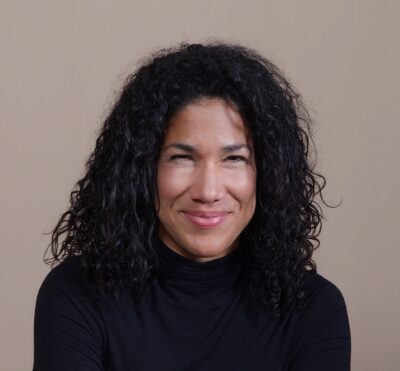
Soft skills are often seen as secondary to technical expertise, but they play a critical role in project success. Author Yadi Caro shares insights from her book Hardcore Soft Skills: A Guide to Work With Humans. We discuss empathy, leadership, communication, team motivation, and lessons from Google’s research on high-performing teams. Yadi also offers practical strategies for receiving feedback, and building stronger, more effective project teams.
Chapters
00:00 … Intro
01:26 … Why Soft Skills Matter More Than Ever
03:46 … Yadi’s Journey to Writing Hardcore Soft Skills
06:20 … The Five C’s Framework for Team Success
08:16 … Connect – Empathy and Understanding Others
09:29 … Building Empathy Through Questions and Listening
12:44 … Networking by Serving Others
14:41 … Communication Mistakes Project Managers Make
16:12 … The Value of One-on-One Conversations
18:06… Google’s Research on Great Teams and Managers
22:25 … What Really Motivates People
23:52 … The Hidden Cost of Micromanagement
26:17 … Customer Impact Stories That Inspire Teams
29:22 … Correct – Learning Through Retrospectives
31:16 … Retrospective Mistakes to Avoid
34:17 … Receiving Feedback as a Project Leader
36:59 … Improving Meetings and Team Participation
38:49 … Connect with Yadi
40:11 … Closing
Intro
YADI CARO: It’s the clarity of the work, that our work has meaning, that we know that we’re going to have some impact into the world, and also that we are able to master what we’re doing when we get to that state of flow where we are able to work in something that, hey, I’m learning; but at the same time I’m doing something that I’m good at. And that keeps us motivated.
WENDY GROUNDS: Welcome to Manage This, the podcast by project managers for project managers. I’m Wendy Grounds. In the studio with me is Bill Yates. And we are so thrilled to have you with us today. If you’re enjoying the show, we’d love to hear from you, whether it’s on our website, Velociteach.com; social media; or your favorite podcast app. Your feedback helps us keep inspiring and supporting project managers just like you. Also, if you have any questions about our podcasts or project management certifications, we’re here to help.
BILL YATES: Velociteach is here to support your growth and success. InSite is our project management mobile learning platform where you can prepare for your PMP certification, or get better at your job by choosing from over 70 high-quality and engaging courses. These courses cover a variety of topics such as communication, leadership, status reporting, the work breakdown structure, and more. Each course aligns with the PMI Talent Triangle, making earning and reporting PDUs easier than ever. Visit us at velociteach.com today to get started.
Why Soft Skills Matter More Than Ever
WENDY GROUNDS: What if the biggest factor behind project success isn’t your tools, your timeline, or even your technical expertise, but how well you work with people? Soft skills, things like communication, emotional intelligence, adaptability, influence, are often labeled as nice to have, but in reality, they’re the engine behind successful projects, strong teams, and effective leadership, especially in today’s fast-moving world.
And so today we’re talking with Yadi Caro, and she’s an organizational psychology practitioner who has been working with teams of developers and engineers for over 15 years with U.S. military organizations. As we chat with Yadi, you’ll see she’s passionate about building high-performing teams and helping project management teams collaborate and innovate more effectively. She also draws on a background in organizational psychology, agile coaching, and her book “Hardcore Soft Skills: A Guide to Work With Humans,” as she shares practical insights on how to lead people, not just projects.
BILL YATES: Yeah, this is such practical advice from Yadi. Really appreciated the book. And just to tease it out, there are so many great topics that she covers in there. And she’ll describe a topic and then give you exercises to work on, on ways to improve. For instance, deep into the book, I think it’s around page 165, she talks about conflict. And she has a chart, and the chart shows good conflict on one side and bad conflict on the other. Take a look at that, make sure that the conflict that’s on your team would fall into that good category and you’re not allowing or fostering bad conflict on your team.
WENDY GROUNDS: So, if you’re wondering how to better connect, influence, and lead, we hope this conversation will give you a fresh perspective on the power of soft skills.
Hi, Yadi. Welcome to Manage This. Thank you so much for joining us.
YADI CARO: Thank you so much for inviting me. I’m very excited.
WENDY GROUNDS: We’re thrilled that we got the opportunity to read your book “Hardcore Soft Skills: A Guide to Work with Humans.” And we all have to work with humans. It’s not always easy.
BILL YATES: So applicable; right? I like this. You worked “hard” and “soft” into the title, too, because that is – that nails it.
Yadi’s Journey to Writing Hardcore Soft Skills
WENDY GROUNDS: Yadi, tell us about your journey to writing this book. What initiated you to write it?
YADI CARO: Writing the book has been a journey, as you mentioned, because I started in a career for 15 years plus with military organizations, with tech teams and project teams and different teams, where I had different roles, including like either a project manager to agile coach to scrum master. And what I was always curious about when we worked in these teams it was a realization that a lot of great initiatives that were existing out there, like you had the brilliant people, you had all the right ingredients to have a good team or a good outcome, a lot of the times it didn’t just pan out, and I wanted to know more.
So, I realized that it’s not about the technical expertise, per se, when it comes to having successful projects or products. It’s those what we call “soft skills” which is – they shouldn’t be called “soft” because they’re so hard to master, and also because they’re so critical. So back in 2020, in the middle of the pandemic that I was working with a military organization, working with as a product owner with a group of engineers and developers, we had to shift, as we all did, that we were onsite working in a project, into now we’ve got to go and work remote and deliver it. The product still has to go out.
And that’s when I started to go ahead and say, okay, now is the time, now or never, to venture more into investigating the skills. So, I did it through a podcast, as well. I started calling people up who were experts in productivity, change management. I first collected all the lists of what considered to be soft skills, and then I decided to contact experts on each one of those skills. They were very proactive, or I guess very, very kind with their time to give me some feedback. And I have all these episodes where I have practical advice and at the same time, I started studying organizational psychology in Harvard remote, so that was a great privilege to have.
All these lessons, I said one day I need to collect them all, aside from, you know, a podcast, put them in a book. And that’s how I came up with the framework which I realized I have a framework that I use with everything that I either coach or manage. And within each framework or each aspect of the framework there were all these skills. So that’s how it came about. try to cover a lot of different skills. And my main intent was to give practical advice that project managers, that product managers, any manager or a team member could use.
The Five C’s Framework for Team Success
BILL YATES: Well, you nailed that in the book. Now, you mentioned the framework, and you talk about the five C’s framework for soft skills. Could you go ahead and just describe those five, just so we have a framework for that?
YADI CARO: Yeah, and I’ll put it from the lens of either launching a team or even launching a project team. So, we start with Connection. These are all the skills to first understand is our connection with ourselves. What are our strengths? Where do we come from in terms of what do we bring to a particular project? And also knowing the other, like building the empathy, “other” meaning the stakeholders or meaning the people that we’re going to work with.
Then after connection comes Communication, which is communication referring to the clarity of what are we going to do, what are our communication preferences, because this is a significant topic when it comes to working in remote teams or that some are onsite or some are in different locations or hybrid. So having that clarity of communication, and the vision is very important, and listening, too, which I could talk more about that because we could be better listeners.
So, Connect, Communicate. Then we go into Collaboration and Creation. And connection needs to happen first because the best results when we start collaborating and creating with others is when we know their strengths, we know our strengths, and we have clear understanding of what is it that we want to do. And then after that, as we invest so many skills into collaboration and creation, we can do a Correction. That’s a continuous step because it doesn’t wait until the end of the project, as we know.
But it’s about managing conflict. It’s about realizing, where are we going? What are we doing well? Where do we need improvement, something that I borrowed from agile practices. So, it’s very important to consider those five C’s and kind of continue iterating, like we need to reconnect. We need to Communicate, Collaborate, and Create, and Correct. And I figure that all those different skills that we can have fit within those five C’s.
Connect – Empathy and Understanding Others
WENDY GROUNDS: So, the first one is Connect, and empathy is just such an important part of that. Can you talk a little bit about empathy and what that looks like in a project environment in particular?
YADI CARO: When it comes to empathy, we have to think it from the way of not the sympathy part, which is when we go ahead and really go into the feelings of the other person. And we may think that’s where I find a lot of working in military environments, where it’s like people that are very tough generally when it comes to, like, empathy, what do you mean by that?
So, empathy simply refers to the ability to see the things from the other person’s perspective. And that could include in a project environment, it’s not just who are the members of our project team, but also who are our stakeholders, all the people that are going to contribute in different ways to the project, what are the outcome they’re getting.
We want to really understand what is the benefit, what are their constraints, as well. What are their risks, all the things that we consider when it comes to us managing the project and getting the project done. Those people that are going to either benefit or invest in the project, we need to consider their needs, as well. So, in a project environment it’s very important to ask those questions to those folks to help us build up on, really understand where do they come from.
Building Empathy Through Questions and Listening
BILL YATES: There was a statistic in the book early on on this topic that it made me pause because it’s so – it’s big, it’s 83%, according to the 2024 state of workplace empathy report, 83% of respondents agree that empathy is undervalued in the workplace. Man, that’s tough. So, what advice do you have for organizations to be more proactive in terms of creating empathetic environments and empathetic leaders and teams?
YADI CARO: Yeah, so even though people consider it’s important, it’s not something that, when we come into an organization or a project, that we say we need to be more empathetic. It’s more along the lines from seeing from the perspective of a key advice will be, hey, let’s try to understand each other, or let’s try to understand first, as we know, identifying the stakeholders, and also identify what are their priorities, or what is it that they will benefit from.
So that’s just asking the questions to them. Or even if we cannot ask them directly, meaning “them” all the other people that are involved in the project, it’s to be able to kind of imagine what will be important for them.
With our team members we can do so because we can identify, okay, what is important to you when it comes to the delivery of this piece of the project. So just asking questions, and really listening to understand what are their needs, is just an easy way to be able to start building empathy.
BILL YATES: Yeah, you talk about small habits that can make a big difference in building empathy. And, yeah, asking questions and listening, that’s – that’s a really good one there. And many times, as a project leader I felt like I was too busy. You know, I don’t have time to do that. I’ve got stuff I’ve got to do, you know, I’ve got to deliver for this sponsor. I don’t – I don’t want to slow my team down by asking them how they’re feeling or what their week looks like. I just want to know if they’re done, you know. So, yeah, it’s very important.
YADI CARO: Yeah. And what you point out there is it’s an important aspect because when it comes to, hey, we’re going to slow down our team if we sit down, like hey, let’s talk, and talk about our feelings. So, we need to frame it in a way of, hey, I need to understand from your perspective what do you think is important for this that we’re missing, or what do you think that your role is going to be critical for this.
So just questions that we could ask kind of like a passing by or not making it a big deal as we gradually ask questions throughout the meetings or on the side. I think this is an easy way that we can build that.
BILL YATES: I think so, too. It’s funny, Yadi, I think of as a project leader one of the questions that I wanted to be able to answer on the spot was if the sponsor asked me, “Hey, Bill, what are you most nervous about? You know, with my project, what are you most worried about?” And it’s like I needed to learn how to do that for my team members, too, just to catch them in the moment and say, “Hey, man, what’s stressing you the most this week?” you know, project-related.
And then, “Is there anything going on at home or outside of work that’s stressing you, too?” Maybe, you know, “I don’t want you to miss your kid’s soccer game, either. Let’s figure out how we can shift some resources around to get you out of here at 4:00 on Thursday.” You know, things like that. It doesn’t take a massive effort, but can have a big payoff in terms of the sense of security on the team.
WENDY GROUNDS: Yeah.
YADI CARO: That’s a great question of asking what are you nervous about this week for the project. I think that’s great advice.
Networking by Serving Others
WENDY GROUNDS: Another step in the connecting is networking, which is really an important part. And something that stood out to me in your book was where you said, “Networking is not about how others can serve me. It’s about how I can serve others.” And I think so many people are listening to this, thinking networking is such an important part. It’s something I have to do. And it’s like, what can I get from this? I mean, I’ve even viewed networking that way. It’s like, what am I going to get from this? So, can you just describe that? Talk about the old approach to networking, and how you’ve changed this, and results you’ve seen.
YADI CARO: Yeah. So that is a lesson that I have learned because I, like many of listeners probably, have been uncomfortable with attending networking events where it’s like, I just have the cards ready, and introducing myself, and then say, like, hey, this is what I do, am I elevator speech-ready?
So, it’s to help realizing that, yeah, in thinking back of the most valuable times that happened in the networking event is just understanding the others, like asking the questions, like, hey, what are you doing here, and if there’s anything that I can help you with. Or when you hear, for example, that if somebody’s in a networking event, and they say, yeah, I’m looking for jobs, and then you start thinking about like who can I connect this person to.
It’s just when you get the most valuable connection and the relationship and you actually build a relationship with those people instead of just walking around and talking and giving your elevator speech. When somebody comes to you that way, they’re not interested in what you have to say. It’s like, oh, yeah, this person, I just don’t like that connection.
So, if we reframe it in a way of, say, hey, I want to do the networking event because I have things that I may be able to help others with. And we just build a relationship because at the bottom line is that networking is not just to collect cards and meet people. It’s to build connections that then could build this into something better. So, taking that perspective is – it’s helpful.
BILL YATES: Hmm, that’s a great mind shift.
Communication Mistakes Project Managers Make
WENDY GROUNDS: Yeah. Let’s jump down to communication, talk a little bit about that and how communication really is that connection. So, tell me about some of the biggest mistakes, communication mistakes that you see project managers making.
YADI CARO: Yeah. So I think, even though there’s emphasis in overcommunicating perhaps during meetings or status reports, the communication failure that I see is when project managers maybe neglect to do this individual communication with the team members, like having those side conversations either with sponsors, with team members that contribute something, with just people that are involved in the project. And I think a lot of the times we just focus so much on like we need to get the team going. We need to make sure that we don’t miss deadlines. Just give me the status report, and we report it back.
But it’s through building understanding those things that are going on in those side conversations, you get – first we get a lot of more feedback that you didn’t know about, that you start building that trust. And it just helps build a better outcome at the end because you understand not just what they say in the meeting that is what the others feel comfortable saying. But you also understand, like, what’s the back story, and could anticipate, like, oh, this issue’s coming that wouldn’t have said it in a meeting because it’s either too embarrassing, or it will make us look bad in front of the stakeholders. So, it’s that one-on-one communication that we think it’s not necessary, but it is critical to help the project succeed.
The Value of One-on-One Conversations
BILL YATES: Yadi, that’s a really good point. I can remember projects that I was on where, you know, I would find out about something, some key insight or piece of information that really put some pieces together as to what we were doing on the project. But I was like, man, I wish I’d known this like two months ago.
I’m looking at the leader thinking, okay, the leader’s kind of clueless because, you know, he’s been spending time with the customer. He had all these conversations. And now I’m finally hearing about it; and, man, I wish I’d known this two months ago; you know. And then I think of times that I probably did that, too.
Yeah, we don’t want to waste people’s time giving too much information. But there’s certain information that we do want to share in our weekly meetings or just in our one-on-ones with team members because it connects so many of the dots and, you know. Then there’s a purpose behind our project, and it makes more sense. You know, the pieces start to fit together. So, we have to be aware of the impact of a back story and don’t dismiss it as, no, I don’t have time to share that, or they don’t need to know about that.
Yeah, they do. It does build trust. It builds a sense of camaraderie and, oh, man, I get this now. There’s a greater purpose behind this. So that’s really good advice.
YADI CARO: Oh, thank you. And you mentioned something there in terms of the sometimes that we tend to hide information or say, hey, people don’t need to know this. But as we build, that’s why going back to the connection that we created this connection with people to understand like what do they really value. If there’s bad news or something coming up, then I want to know.
And setting those expectations is the beginning. As you build those relationships, and just as you communicate these things, they understand your background. They understand that you’re trying to build trust. So, it’s just important to communicate with all the people throughout and in – especially in those side conversations.
BILL YATES: That’s so good. Yeah, one of the points you bring up is you know that the time to build deep relationships is before there’s a crisis, or before there’s bad news you have to share. That’s good.
Google’s Research on Great Teams and Managers
WENDY GROUNDS: Something interesting that you brought up in the book, as well, was Google’s Project Aristotle and Project Oxygen. I’d love to be able to share a little more information about that with our audience. You have some interesting research from those projects. Can you describe the research and what stood out to you from those studies?
YADI CARO: Yes. As I was looking for information or just research in terms of understanding what makes teams great and also understanding what is it that makes managers great. So, Google had done this research, like over even a decade ago, but there’s still evidence that supports that.
So there was the Project Aristotle which was named that way because it’s a quote from the philosopher Aristotle that says the sum is greater than its parts or something along those lines, but just referring to the aspect there in that research was that they – Google went ahead and investigated or just assessed all of the teams that they had, like they tried to find a perfect combination, like if we put the superstars here, or we put the perfect combination of talent over here.
And they’ve realized that what made a team great was not necessarily the technical talent to create stuff. It was specifically teams that had psychological safety, which means that they were comfortable talking to each other about what was wrong, and they had the courage to tell each other what was going on.
So, when we think of psychological safety, we think it as a, hey, this is therapy. We’re going to talk about our issues. It’s more along the lines of having the courage to tell each other about what’s going well, and what do we need to improve.
Another aspect was in terms of the coachability of the team. They had also understanding of the team had a meaning. Each team member knew that the project that they were doing or the product that they were building had some ultimate impact, that it was not just about, like, hey, checking the box on getting the stuff done. It has an ultimate real-world impact, too.
And another important thing was the motivation that the team was able to work on the things that they wanted. It took a lot of consideration in their strengths. Now, on the other hand, you had in Google they – researched before that for finding, like, what is it that made a great manager. So aside from the fact that, yes, they have technical knowledge, they’re good at what they do; but they’re also people that were trying to encourage the team that were inclusive. They were wanting to consider the opinions of their team. They also consider not just the outcome in itself, but also elevating the success of each team member. And they were good coaches, too.
So, when we think of a team manager, we think that they need to have all the answers. But these good managers have the ability to empower the team to find the answers. They coach them throughout. And they also provide a clear vision. So going back to the communication, that they provide a clear vision to the team about what they need to achieve and what the meaning of that.
So, you see a lot of similarities and goes back to all those soft skills that we don’t really develop, which is the communication, a clear communication empowering people and really considering diversity, which is another skill that I talk about in the book. And just empowering people to do the work and just bring the best in other people.
BILL YATES: Mmm. This is great research. And it is interesting to me, Yadi. 2010 was when that study was done. And, you know, here we are, 16 years later, and it still resonates. Everything that they found is still so true today and does mark a healthy team versus one that’s not as healthy. And so, I think those are outstanding factors that we should consider.
You know, it’s almost like as a leader of a team we need to look at it and go, okay, do I have these things? Do I have psychological safety? Do my team members depend on each other and deliver for each other? Do they find meaning in what they’re doing? Are they playing to their strengths? You know, these are good factors to kind of keep on a heads-up display as a leader and think through with my team. Does my team exhibit these factors? If not, I need to work on it.
YADI CARO: Yeah. And especially now with the – no matter the technology as we have artificial intelligence and the use and all the digital disruption that’s going on, those things do not change. Those things still remain the same in terms of we have to work with humans, and we have to bring the best in other people for better outcomes.
What Really Motivates People
WENDY GROUNDS: We have to work with teams. We also have to motivate our teams and figure out what drives them. So why don’t rewards alone motivate teams?
YADI CARO: Yeah. So, there has been research done on this, and I took a lot from the information from Daniel Pink that he has published based on other research, too. We have the extrinsic motivation, which is of course when we have good salaries, or we have good bonuses.
Then all these extrinsic factors that do not pertain to the job itself, we are motivated by those, but those are not enough because once that the excitement of that comes, saying like I got an amazing paycheck, and I got like a whole month of vacation or other things, it’s what keeps us each day going with enthusiasm to work is the intrinsic motivation factors which are the ability to be autonomous, which is to work in the things that we want to work on.
It’s the clarity of the work, that our work has meaning, that we know that we’re going to have some impact into the world, and also that we are able to master what we’re doing when we get to that state of flow where we are able to work in something that, hey, I’m learning; but at the same time I’m doing something that I’m good at.
And that keeps us motivated because we can show to others all the great things that we can do. So extrinsic motivation is good, but that’s not enough to get us to every day go to work and do what we need to do.
The Hidden Cost of Micromanagement
BILL YATES: Mmm. These are so good. And I really do like, I mean, I think some of Daniel Pink’s stuff I’m like, eh, don’t agree with you. But most of it I do. And this section, these three reasons for motivation I really get it. I really resonate with those. And I love what you had to say about autonomy in your book, that we don’t micromanage. We need to, you know, describe the work clearly, let people know their roles, and then, you know, let them do their thing; right? And you took a step further. You had the five signs of a micromanager, which I’ve got to admit, when I was reading it, I was reading it going, okay, is this me? Is this me?
YADI CARO: Same thing here. Oh, wait, am I…
BILL YATES: I know; right? So those are so good. I encourage people when they have your book, I think was on page 135, there are five signs of a micromanager. And if we want to create a team that feels like, okay, they’re empowered and they have autonomy, then I need to let go of some control. Take a look and see if you’re a micromanager.
YADI CARO: Yeah. And one of the things that hit me up of those five reasons that I provide there of the five signs to be a micromanager was the focusing on the details because I wanted to say, like, well, I’m looking for excellence. But at the same time, it’s like, well, if you provide the bigger vision of what they need to achieve, if you still focus a lot on what you think are important details, but perhaps at the end they don’t matter because they may have other better things to focus on.
So, I think it’s just good that we maintain the focus on the big picture and just not try to control the details of what we are doing with the justification that, hey, it’s just I’m a perfectionist, and we should all strive for perfection. But at the bottom line it’s like, well, is it really that important? So, I invite everybody to consider those reasons.
BILL YATES: I was thinking of the – there’s a movie called “Whiplash,” and in that I think it was J.K. Simmons who was the protagonist. And there’s this young guy who’s a prodigy. He’s a phenomenal drummer. He would drum a part, and then Simmons would raise his fist up and go, “Not my tempo, not my tempo.” And he did it over and over. He’s just crushing the guy’s ego, crushing his motivation. And this guy was amazing. And it was just like, oh my gosh, how many times have I done that to somebody on a project team, like, no, that’s not exactly what I was looking for. I would have done it this other way.
YADI CARO: Yeah, very true.
Customer Impact Stories That Inspire Teams
WENDY GROUNDS: Something you had mentioned was the idea of customer impact stories. Won’t you tell us a little bit about that?
YADI CARO: Yeah, so when we get feedback that – not just feedback from the same people, for example, in a meeting that we get the sponsor will say, hey, guys, you’re doing great, or it’s great to hear that what keeps us motivated is to understand like the ultimate feedback from the people that are benefited from the product.
And that just means something because it’s not just to say, like, is it good or bad, like a quick customer survey. It’s more along the lines of, hey, from this project of delivery of this application, for example, it’s going to allow me to save so much time. Or I’m going to be able to, if it’s like funding, for example, there was an application in the military that would allow people to track transportation for places in disaster relief.
It’s like, hey, this application, it’s there to help people during a disaster, and therefore the work that we’re doing is very important. And you get the feedback from the people that either just save time or something that we consider that is not that important. It just changes us in the sense of understanding, like, oh, this is a real thing that I’m working with. It is impactful, and it keeps the team motivated to do whatever it takes to really understand the value of their work.
So, I would advise that, if we have the opportunity to do so, that we just seek out, like, stories about getting the feedback from people that are benefiting from the product that we ultimately want to deliver.
BILL YATES: That has such an impact. I was on – about a month or so ago I was doing some work for a not-for-profit, and we were working on homes in the Asheville, North Carolina area for people that have been impacted by a hurricane, you know, they had once-in-a-hundred-year flooding in Asheville, North Carolina because of a hurricane. So, so many people were impacted by that, and we were helping repair homes.
I’m just a team member; right? I’m sweating, working, working hard during the day. But they did such a good job of bringing in people who had already had the work done on their home at night. So, we’d have our debriefs at the end of the day, and they’d have one of those people come in and share their story and say, you know, here’s what my house looked like beforehand, and then this is what it looks like now. And it had such an impact.
So, for us, you know, we’re tired. It’s at the end of the day. I’m like, I’m going to be so sore in the morning. How much ibuprofen can I take? And, you know, it was really motivating to hear a personal story from someone who had been changed by the projects. It’s a good reminder to me.
WENDY GROUNDS: One thing I like which we do at Velociteach is, when we have our weekly stand-up, somebody will share something that a customer has sent to us – feedback, an email or something. And they’ll say how much this course helped them, or that class was so great, or that instructor was just so wonderful. And it lets us know we’re doing good work. We’re reaching people. So, I think that’s also a good thing is to share those stories in your stand-up.
YADI CARO: Yeah, that’s great advice because then it’s not just the person that did the thing, but also like when you learn about that in an environment where everybody’s there, and you it’s contagious, the enthusiasm. So that’s great that you do that.
Correct – Learning Through Retrospectives
WENDY GROUNDS: So, let’s move on to the other C, Correct, and talk about mindset, the correct mindset. It’s important that we learn from our mistakes. We’re going to make mistakes. It’s inevitable. But we need to focus on what we’re learning from that. So, can you talk about retrospection for teams, and the best way to do that?
YADI CARO: Yeah, so this is a practice that, as you listeners may know, it’s in agile frameworks is very popular, doing the retrospective. And it’s just – it’s a thing that also before that in a military environment, we’ll do what is called “hot washes” or “after-action reviews.” The thing with those is that sometimes we’ll have to wait till the end of the project. Only hot washes if we have, like, a specific military event, it will happen at the end of the day. But the whole point is that we as a team take a look at what we are doing, what is going well, what needs improvement. And in the book, I describe different ways that you can have the retrospective going.
But the intent is that you get together as a team to review focusing on processes, not the people. Not like, hey, you dropped the ball, like, what happened with you, Bill, in terms of this particular project. So, it’s more along the lines of let’s look at it as a team, what happened, what went well, and things within our control. Because we a lot of times tend to look at, hey, the provider, the supplier, did not provide the product on time, so let’s blame them.
But instead of looking at it that way, we will have to look at, hey, we know the supplier may not be reliable, but what can we do to address that issue? Let’s look at things that are within our control, and also really taking the time to look at what we are doing well. That may seem obvious. That may seem that it’s just what we do. But recognizing those things that are going well really helps us continue that. So, taking that practice is very important for the teams.
Retrospective Mistakes to Avoid
BILL YATES: That’s so true. Affirming good behavior is just as important. Can you, Yadi, give our listeners some advice about some warning, some things to avoid in a retrospective?
YADI CARO: Yes, certainly. One of the things is blaming people, blaming – focusing on blaming the person instead of saying, okay, let’s say the person did not deliver on time. You could say something along the lines of, hey, we notice we missed a deadline. What can we do, how can we help each other to ensure that the work that you are doing could be delivered at the specific time; right? Do we need to adjust the time frame? Do we need to find additional help?
And then that person could open up a little more in terms of what is it that happened. Or they could just acknowledge, you know what, guys, I dropped the ball, I really need some help. Or correct it next time. Not trying to accuse people in order to allow others to get defensive. So, focusing on the processes of how we as a team can improve it.
Also be looking at the what can we improve? A lot of the mistakes I see is that the retrospective is over, and then it’s like, yeah, we need to improve on this. But nobody really takes the action of, like…
WENDY GROUNDS: Yeah.
BILL YATES: Right, yeah.
YADI CARO: Let’s take one thing, like let’s go to one tiny little thing that we can improve the next time. And for the next retrospective in a couple of weeks, or next week, let’s see where we are because that’s one of the biggest failures that I see with retrospectives. It’s like, yeah, we know it’s an issue, and then we never do anything about it. Then it just became, say, a meeting for complaints basically. So that taking the small actions is one of the key things.
And also, when it comes to that we say, going back to your point before about we don’t have time, that’s exactly when you need to do a retrospective because we need to save time in order to continually improve. Just take 30 minutes or do a gathering of the information, and then we take like 30 minutes at the end of the week to look at the bigger things, focus on what we’re going to improve the next week because we don’t want to wait until issues become too big to manage. We need to be able to manage little things iteratively, and it just will become better for the project.
BILL YATES: That’s such good advice, Yadi. With a retrospective I think we need a reminder sometimes. This is another team meeting that we’re investing in. We’re spending people’s time. We could be doing different things. So, let’s treat it like any other meeting; right? Let’s come in here with a clear agenda. Let’s follow the process. Let’s, to your point, don’t blame people. This is not a time for blaming. This is a time to learn and how to get better.
Things that are really going well we want to continue, and things that we can improve on. And man, please walk out of it with an action list with people’s names next to it to own it; right? Because you’re right, it’s like, otherwise, the team’s – the team’s smart. They’re going to know.
You know, well, we just had our second retrospective. And, huh, nobody brought up anything about what we were supposed to do from the first retrospective. I think this is a waste of time. You know, they’ll sniff that out. So, yeah, you have to be disciplined about it.
Receiving Feedback as a Project Leader
WENDY GROUNDS: One of the other things we wanted to just touch on briefly was feedback, so important. And in your retrospective, there’s a lot of feedback that comes through that. What’s the most effective way for project managers to receive feedback, not necessarily the giving of the feedback, but the best way for them to receive it.
YADI CARO: Yeah. So first is that willingness that we are scared of, especially in the role of project manager, of like getting feedback from the team. It’s like it immediately will get panicky because we’re like, I don’t want to hear – I only want to hear the good feedback.
So, when it comes to asking that it’s good to do it on an individual basis with the team members, that perhaps we could bring it up in a team like, hey, any feedback? Let me know. I’ll start talking with you because I want to get this particular feedback. And you could initiate a conversation and focus on a specific aspect of the project that you want to focus on instead of saying like, hey, how am I doing, because that will become into a very generic answer like, you’re doing great, I guess.
It’s more along the lines of asking, like, hey, how do you think this either status report is, or what do you think we can improve on this? How can I help you in your role do best, like how do you think I can enable you to do the work? What do you need from me?
So those are different questions that you can ask that at the bottom line is about asking for the feedback of helping you as a project manager serve the team and trying to focus on specific areas. And then you open up the conversation to say, like, hey, if there’s anything specific about any process or a meeting, let me know because I really want to continually improve.
That kind of helps put the barrier down for the team to say, like, I don’t want to say anything bad because they know it’s going to be – don’t want to be retaliated against. So realizing that you do listen to the feedback, and then you incorporate it and let them know, hey, thanks to you, thanks for that feedback. I made that change. And then they’re open to do so on a more regular basis.
WENDY GROUNDS: And if they see you making that change, as well, then they’ll trust you more. It will build their trust, yeah.
YADI CARO: Yeah, so pointing it out when you have made a change. So, you should take the feedback and be open for that is an attitude initially that you want to embrace that, even if you think, like, yeah, may not make that big of a change. But it’s important to recognize that, hey, this was good feedback; and, hey, I incorporated it. Thank you for that. It’s a good way to build that trust.
WENDY GROUNDS: I would encourage our audience to buy your book and read through these incredible chapters, and also look at something you talk about, the seven deadly team sins. So, we’re just going to tease that and say to folk, you’ll have to get the book to find out about those.
BILL YATES: I like that. Yeah, yeah. That’s good.
Improving Meetings and Team Participation
WENDY GROUNDS: But do you have a final thought, just some practical exercise or practice from the book that you recommend that our listeners can start with today to make a change on their teams?
YADI CARO: I think one that could make a good impact or visibly noticeable for the others on a project team will be meetings. So, reading that team meeting chapter because it’s a lot of things that we make mistakes on during the meetings, like having the same agenda, or just walking away from the meeting without any clear outcome.
If we make minor adjustments, like for example framing the agenda in ways of questions to be answered during the meeting, like at the end of the meeting we recap and say, “Did we answer this question?” and inviting others to really participate. So, let’s say they don’t participate during the meeting, they could be able to just bring the feedback and write it down somewhere so you can read it during the meeting and bring it up.
So those are just two small ways that you get more participation and also get more value from the meetings because that’s the pain point. When you go to work and say, like, “So many meetings,” and “Another project meeting for the same thing,” that will be a start. But then it could prompt people to really read the other chapters about how to become a better listener.
BILL YATES: Yeah, have real good connection.
YADI CARO: Just make it a little thing.
BILL YATES: That’s good, yeah, yeah. Yeah, and I think, you know, people can really set themselves apart as project managers if they get a reputation for really running valuable meetings because, to your point, you know, we get sick and tired of meetings. And if somebody has a reputation for, man, they do not waste time, they’re so productive, everybody gets energized by them, that’s going to stand out.
Thank you for this book. This is – it’s fantastic. You cover so much territory. I do encourage people to check it out. And thank you for your contribution to project management in this.
Connect with Yadi
WENDY GROUNDS: Tell our audience how they can connect with you if they have some questions.
YADI CARO: Yeah, so everybody can go to my website, HardcoreSoftSkills.com, where you can find the book there. You can find all the podcast episodes that I had, about 200 now of episodes, and also use LinkedIn because I’m there, and I always like to connect with every single person and send them a message – the real me, not AI. And I look forward to hear from people other ideas as you’ve mentioned both today of good ideas that you’ve had to improve on these skills. I always like to learn, as well.
WENDY GROUNDS: Yeah. Tell us about your podcast. What’s it called?
YADI CARO: So, it’s also called HardcoreSoftSkills podcast. And in each episode I try to focus on specific skills. I’ve had guests to talk about change management or negotiation or leadership. I have Navy SEALs or authors and Harvard scholars. So, it’s just to bring, in 30-minute episodes, the advice, as you do here, that you bring very practical advice to people on how they can improve in their particular roles and apply these skills. So, I always enjoy having conversations with people and just giving advice that people can use right away.
WENDY GROUNDS: Well, thank you, Yadi. Thank you so much for your time. We really appreciate it. It’s just been so fun.
YADI CARO: Thank you both so much.
BILL YATES: Yeah, thank you, thank you.
Closing
WENDY GROUNDS: That’s a wrap for us here on Manage This. Thank you so much for joining us today. If you’d like to learn more, head over to Velociteach.com. You can subscribe to the podcast and check out a full transcript of this episode.
And don’t forget, you just earned free PDUs for listening. To claim them, go to Velociteach.com, click on Manage This Podcast at the top of the page, select the Claim PDUs and follow the steps. Easy as that.
Until next time, stay curious, stay inspired, and we’ll catch you on the next episode of Manage This.






Leave a Reply